
30 Jul Designing a Functional Kitchen: Tips and Tricks for the Heart of Your Home
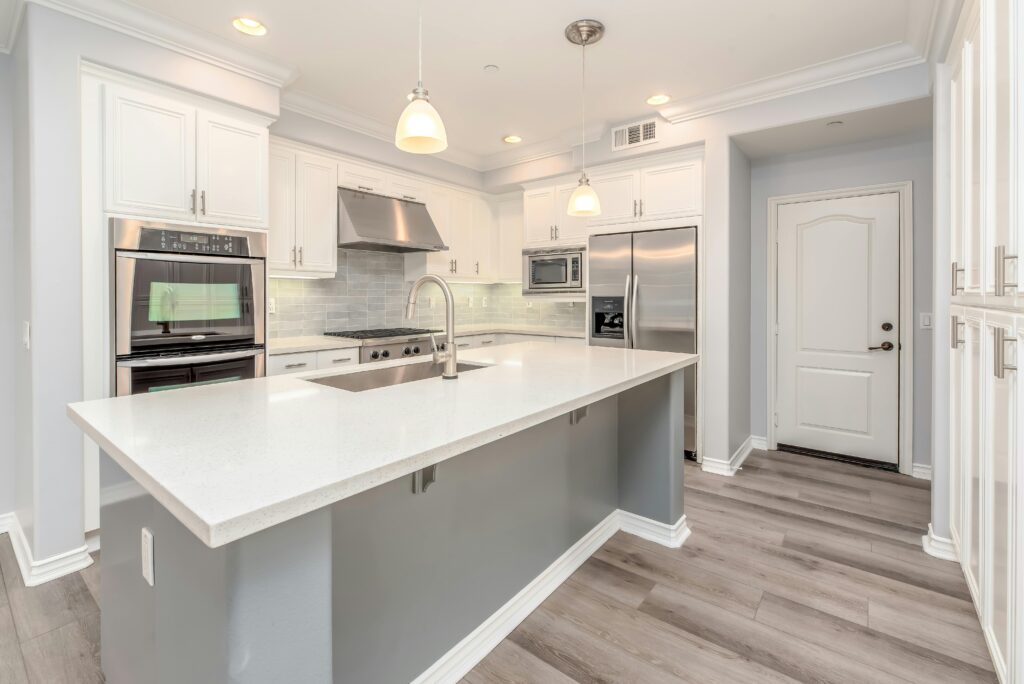
Designing a kitchen that is both functional and stylish can be a rewarding project. The kitchen is often considered the heart of the home, where meals are prepared, and families gather. A well-designed kitchen enhances cooking efficiency, maximises storage, and creates a welcoming atmosphere. Here are some essential tips and tricks for designing a functional kitchen.
1. Plan the layout
The kitchen layout is the foundation of functionality. The most popular layouts include the following:
• Galley kitchen: this layout offers efficient use of space with two parallel countertops.
• L-shaped kitchen: this is ideal for open spaces, providing good workflow and ample counter space.
• U-shaped kitchen: this offers plenty of storage and counter space, suitable for larger kitchens.
• Island kitchen: this type of layout adds extra counter and storage space, making it ideal for socialising while cooking.
Consider the kitchen work triangle, which connects the sink, stove, and refrigerator. This triangle should be compact enough to allow for efficient movement but spacious enough to avoid crowding.
2. Optimise storage solutions
Effective storage is the key to a functional kitchen. Here are some ideas to maximise storage:
• Cabinets and drawers: use deep drawers for pots and pans, and upper cabinets for dishes and glassware. Consider installing pull-out shelves and lazy Susans for easier access.
• Pantry: a pantry provides additional storage for non-perishable items, reducing clutter in the main kitchen area.
• Vertical space: Use the space above cabinets for less frequently used items or install additional shelves for more storage.
• Hooks and racks: install hooks for utensils, pots, and pans. Magnetic knife racks can also save counter space.
3. Choose quality appliances
Investing in high-quality appliances can make a significant difference in your kitchen’s functionality. Consider the following:
• Stove and oven: choose a stove with sufficient burners and an oven with enough capacity for your cooking needs.
• Refrigerator: opt for a fridge with enough space and convenient features like adjustable shelves and door compartments.
• Dishwasher: a reliable dishwasher saves time and effort, ensuring your kitchen stays clean and organised.
• Small appliances: select small appliances that suit your cooking style, such as a microwave, coffee maker, and blender.
4. Focus on lighting
Good lighting is essential in a kitchen. It enhances visibility, safety, and ambiance. Incorporate these lighting solutions:
• Task lighting: install under-cabinet lighting to illuminate countertops and work areas.
• Ambient lighting: use ceiling lights or pendant lights to provide overall illumination.
• Accent lighting: Highlight features like a kitchen island or backsplash with accent lighting.
5. Select durable materials
Kitchens endure a lot of wear and tear, so choosing durable materials is crucial. Here are some areas where durable materials are essential:
• Countertops: opt for materials like granite, quartz, or solid surface countertops that are resistant to scratches and heat. To learn more about different countertop options, click here.
• Flooring: choose flooring that is easy to clean and can withstand heavy traffic. Options like ceramic tile, vinyl, and hardwood are popular choices.
• Cabinetry: invest in high-quality cabinetry with sturdy construction and durable finishes.
6. Incorporate ergonomics
You should also design your kitchen with ergonomics in mind to ensure comfort and efficiency. Some examples include:
• Counter height: most counters are set at a standard height, but you may consider adjusting based on your height and comfort.
• Work zones: organise your kitchen into zones for prep, cooking, cleaning, and storage. Keep frequently used items within easy reach.
• Accessibility: ensure pathways are clear and wide enough for easy movement, especially if multiple people use the kitchen simultaneously.
7. Personalise your space
Of course, you should add personal touches to make your kitchen feel like home. Some ways of doing this include:
• Colour Scheme: choose colours that reflect your style and create a welcoming atmosphere.
• Decor: add decorative elements like artwork, plants, and stylish kitchenware.
• Open shelving: display your favourite dishes, cookbooks, and decorative items on open shelves for a personal touch.
8. Get professional help
Finally, you need to remember that you don’t need to figure everything out on your own. Professional kitchen installation companies will help you evaluate all your options and choose one that works best for you.
To get a free quote, contact Cupboard Value West Rand today!
Conclusion
Designing a functional kitchen involves careful planning and attention to detail. By considering things like layout, storage, appliances, lighting, materials, ergonomics, and personal touches, you can create a kitchen that is both practical and beautiful. Whether you’re an avid cook or someone who enjoys gathering with family and friends, a well-designed kitchen will enhance your home’s overall functionality and appeal. Happy designing!
No Comments